
- PacingStill & restorative
- SensationDull ache or warmth
- Patient controlHigh
What is Acupuncture?
Very thin, sterile, single-use needles placed at specific points on the body to help ease musculoskeletal pain.
How it feels
Usually a dull ache, warmth, or heaviness at the spot. Many people find it relaxing.
The goal
Easing pain and helping your body settle, alongside movement and strength work.
Pairs well with
Manual therapy or myofascial release. While the needles rest, Kayla may work on other areas of your body. Breathwork and gentle movement may be added too.
Where Acupuncture May Help
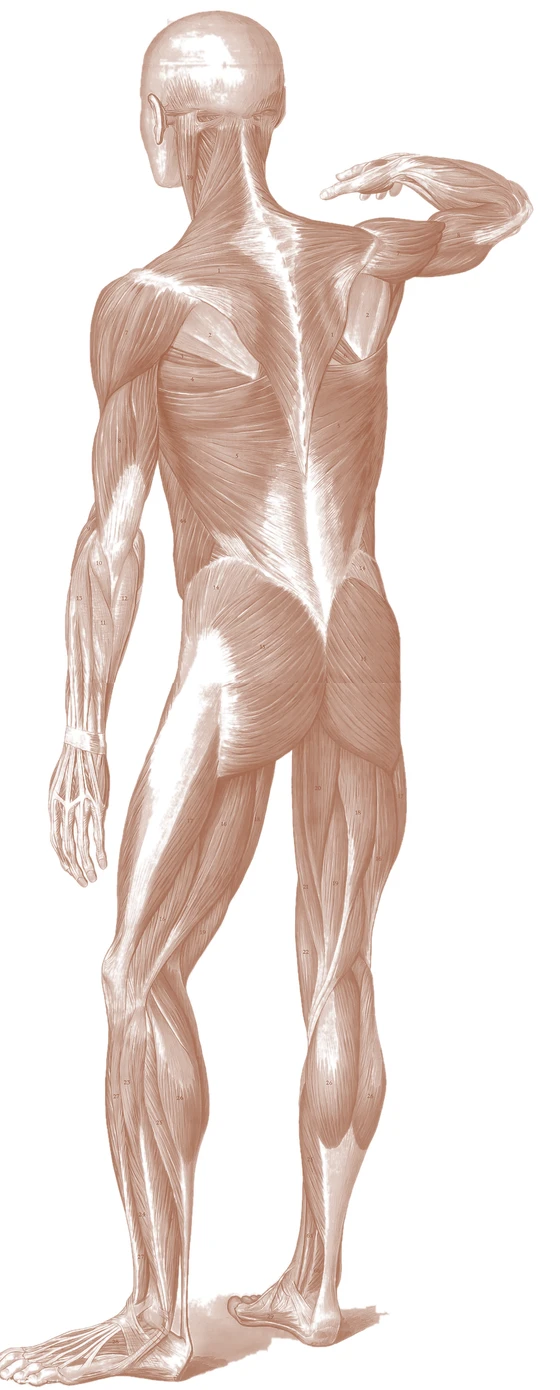
Tap an area on the body, or choose one below. Don’t see yours? Pick “Somewhere else.”
Tension-type headaches that come with a tight neck, shoulders and jaw.
How acupuncture may helpAcupuncture is one option people use for tension-type headaches. Kayla checks your neck and jaw first and tells you if it is likely to suit you. A sudden, severe or unusual headache should be checked by a doctor first.
Your neck and shoulders are constantly tight from stress, and your jaw clenches along with them.
How acupuncture may helpFine needles rest in tight neck and shoulder muscles for a short time. Many people describe feeling heavy and relaxed during the session.
Your upper back stays tense and won't calm down, as if your body is on high alert.
How acupuncture may helpSome people find the quiet, still format helps their body downshift. Kayla pairs it with slow breathing you can use at home.
Pain flares up in your shoulder and spreads down your arm.
How acupuncture may helpPoints are chosen to match where your symptoms travel. Kayla checks your neck and shoulder movement first to find the likely source.
A lingering ache in your lower back just won't settle.
How acupuncture may helpSome back pain guidelines list acupuncture as one option for ongoing pain. It sits best alongside the gentle movement Kayla builds into your plan.
Pain flares up and spreads down into your leg.
How acupuncture may helpNeedles may go in the lower back and leg muscles. Kayla assesses where the pain starts first, since leg pain can come from the back.
The area that bothers you isn’t shown here? That’s okay. These are just common spots.
What happens nextKayla starts by assessing the area and how it moves. She will tell you honestly whether acupuncture is a good fit for it, or whether something else may suit it better.
Spots show common areas, not a diagnosis. Illustration adapted from Gustaf Wennman’s anatomical wall chart (c. 1920, public domain): cropped and recoloured.
Setting Expectations
If you don't like needles, you're not alone. These are not the hollow needles used for blood draws. They are solid, sterile, and as thin as a hair, so most people feel very little when one goes in. Many find the session relaxing, and you can ask Kayla to stop at any point.
Tell Kayla first if you take blood thinners, have a bleeding disorder, are pregnant, have a pacemaker or other implanted device, have an infection or skin problem in the area, or are very afraid of needles. Small bruises or soreness at a needle site are common. Serious problems are rare, about 1 in 10,000 patients in one large review, and include fainting, infection, and a punctured lung. If leg or arm pain comes with new weakness or numbness, see a doctor.
BC physiotherapists must explain the benefits and risks and get your consent before treating you, and you can stop at any time. See the standards.
The Details: Frequently Asked Questions
How does medical acupuncture reduce pain?
Acupuncture stimulates nerves under the skin. Laboratory research suggests this can trigger the release of the body's natural pain-relieving chemicals, such as endorphins, and change how pain signals are processed. Reviews of clinical trials found acupuncture can lower pain, including long-lasting low back pain, though results vary and the evidence is stronger for some problems than others.
What is the "acupuncture calm" after treatment?
Some people feel heavy, relaxed, or sleepy afterward, and some feel nothing special. If you feel drowsy, take it easy for the rest of the day. Small bruises or soreness at a needle site can happen too, and they usually settle on their own.